
Skip to the main content.

2 min read

Improving Farm Efficiency in Today’s Cattle Operations

Improving Farm Efficiency in Today’s Cattle Operations
4:33

Cow/calf operations and small farms are the backbone of our rural communities. Many producers balance farming with full-time jobs while still working to maintain productive cattle herds and healthy land. Whether you run 30 cows or 300, improving efficiency on the farm can make a significant difference in profitability, labor demands, and long-term sustainability.

As an agricultural lender working with producers throughout our region, I often see that the operations that thrive are the ones that focus on efficiency in both management and infrastructure.

Start with the Basics: Herd Management

One of the most important areas of efficiency in a cow/calf operation is herd management. Maintaining a productive cow herd begins with selecting females that consistently breed, calve easily, and raise strong calves.

Open cows, poor mothering ability, or structural problems quickly reduce efficiency. Producers who keep good records and cull accordingly often see stronger calf crops and better long-term profitability. Genetics also play a role, and many producers are investing in quality bulls or artificial insemination programs to improve performance traits.

A tighter calving window can also make a big difference. When calves are born within a shorter timeframe, producers can manage nutrition, health protocols, and marketing more effectively.

Pasture Management Pays Off

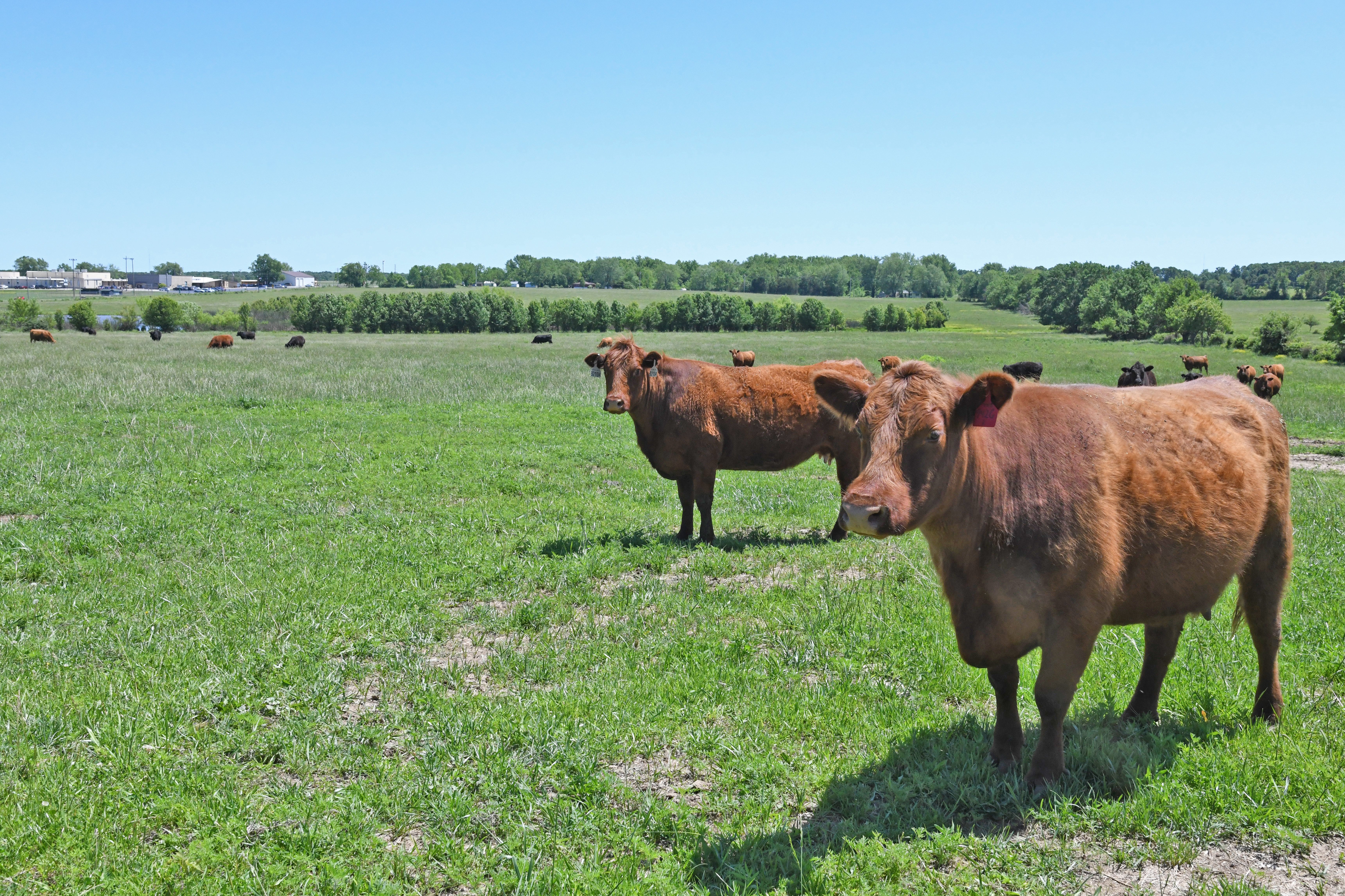
In our region, pasture is the primary feed source for cow/calf operations, which means pasture management directly affects efficiency.

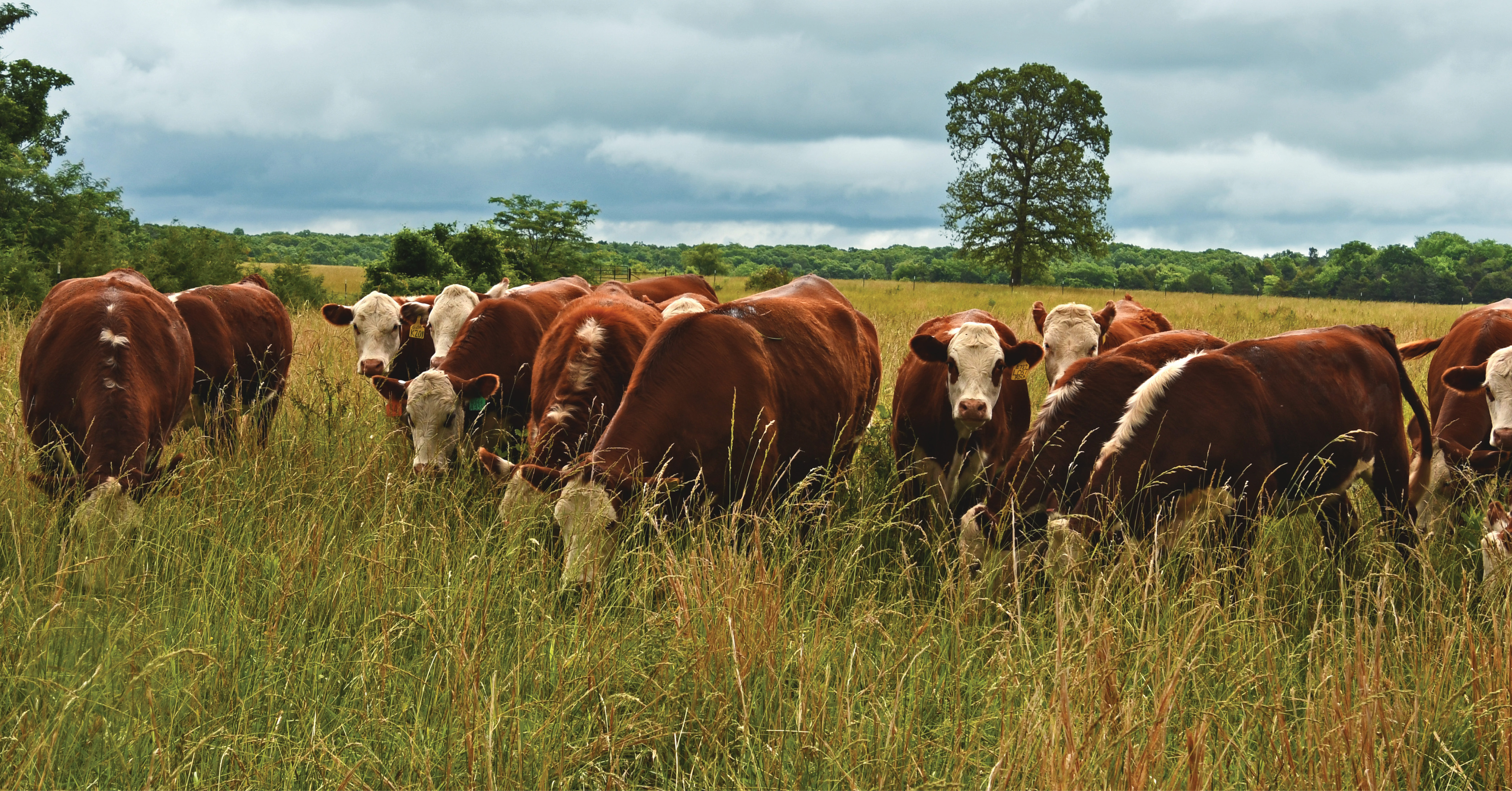
Rotational grazing is one of the most impactful changes many producers can make. By rotating cattle through multiple paddocks, forage has time to recover and maintain productivity throughout the grazing season. This often reduces the need for purchased feed and improves pasture longevity.

Soil testing and fertilization are also commonly overlooked. Many of our pastures are low in nutrients, and applying the right fertilizer based on soil tests can significantly increase forage production.

Water availability is another key factor. Strategically placed water sources help cattle utilize more of the pasture instead of grazing only near ponds or tanks.

Reduce Labor Through Better Infrastructure

Infrastructure improvements can save time and labor throughout the year.

Well-designed working facilities allow producers to handle cattle safely and efficiently during vaccinations, pregnancy checks, and weaning. Good fencing also prevents cattle from escaping and reduces the time spent fixing problems.

Many hobby farmers or part-time producers benefit from investing in facilities that allow them to work cattle alone if needed. Even simple improvements like better gates, alleyways, and sorting pens can dramatically reduce labor requirements.

Feed Costs and Winter Planning

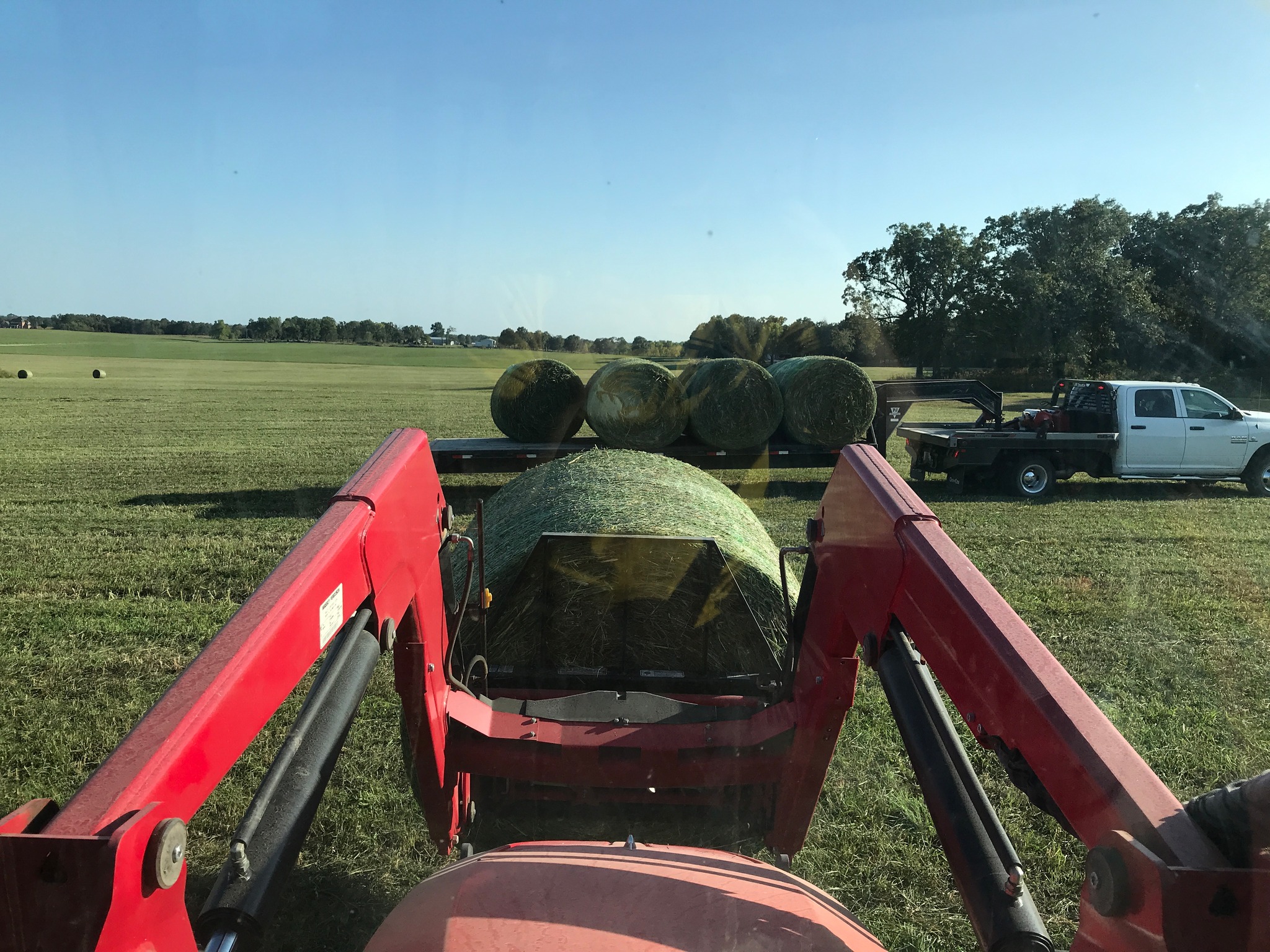
Feed is typically the largest expense in a cow/calf operation. Efficient hay production and feeding practices can help control those costs.

Testing hay allows producers to understand the nutritional value of their forage and supplement appropriately rather than overfeeding expensive inputs. Minimizing hay waste through proper feeders or feeding methods can also reduce costs over the winter months.

Some producers are also extending grazing seasons by stockpiling fescue or using cover crops, reducing reliance on stored feed.

Financial Efficiency Matters Too

Farm efficiency isn’t just about cattle and pasture. It also includes financial planning.

Producers who track input costs, calf weights, and marketing performance are often better positioned to make decisions about herd size, equipment purchases, or expansion opportunities.

Working with a lender who understands agriculture can also help producers evaluate investments in land, facilities, or livestock to ensure they align with the long-term goals of the operation.

Looking Ahead

Agriculture continues to evolve, but one thing remains constant: efficient farms are sustainable farms.

Whether it’s improving herd genetics, managing pastures more effectively, or investing in better infrastructure, small improvements made over time can have a lasting impact on productivity and profitability.

Our local farmers and ranchers are some of the most resilient people I know, and it’s always rewarding to see the next generation continue building strong operations in our local communities.

 
You Might Also Like: