
Skip to the main content.

3 min read

5 Scams Every Neighbor Should Watch for in 2026

5 Scams Every Neighbor Should Watch for in 2026
5:59

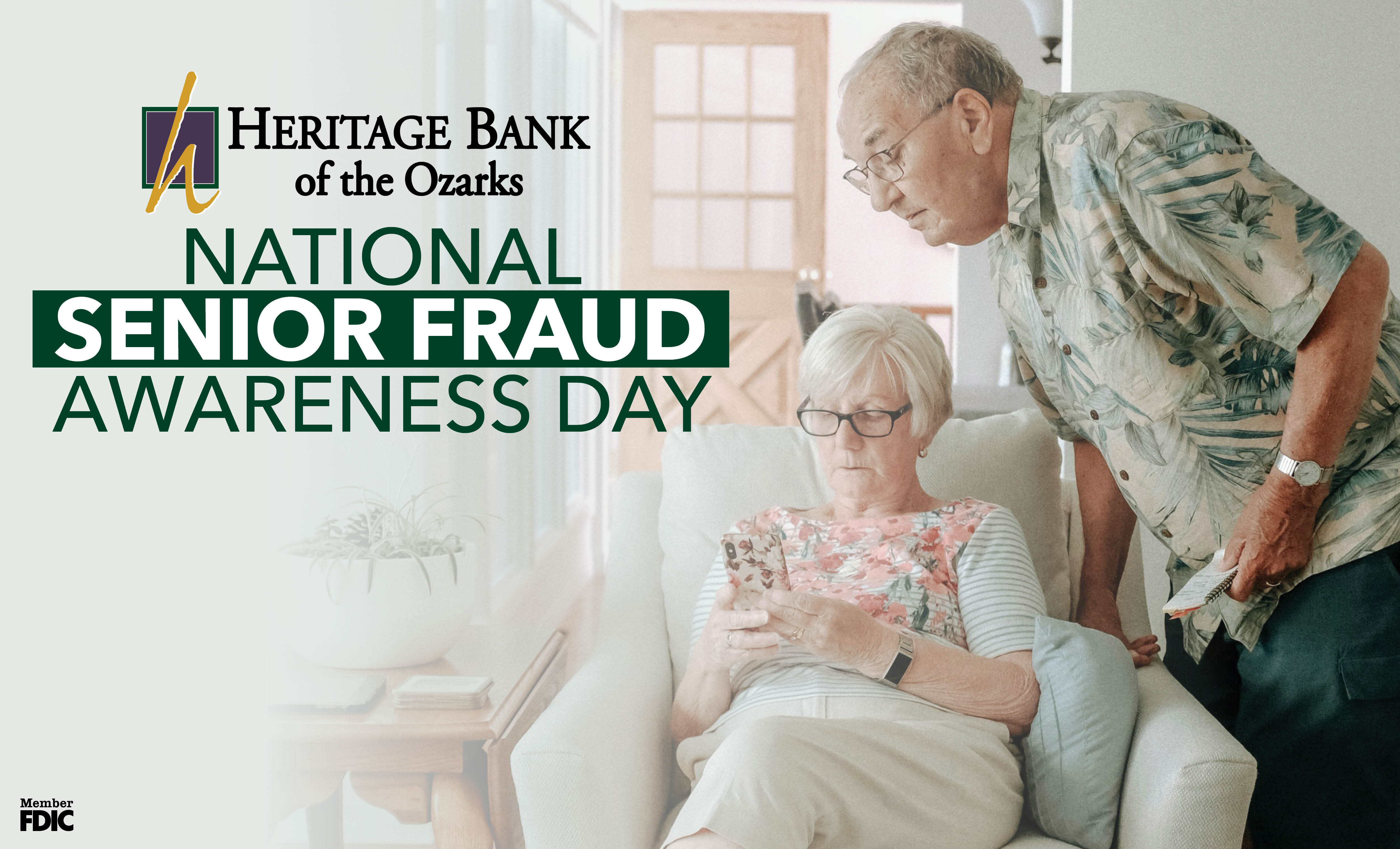
May 15th is National Senior Fraud Protection Day, an important reminder that scams are becoming more sophisticated, more personal, and unfortunately, more common.

At Heritage Bank of the Ozarks, protecting our Neighbors goes beyond your accounts. Fraud prevention starts with awareness, conversation, and knowing the warning signs before scammers have the chance to strike.

According to AARP, fraud experts expect several scams to surge in 2026, many powered by artificial intelligence, fake identities, and emotional manipulation.

Here are 5 scams to keep on your radar this year:

1. Employment & Work-From-Home Scams

Scammers know many people are looking for extra income or flexible work opportunities. Fake job postings are appearing on social media, job boards, and even through text messages or emails.

These scams often promise:

  • High pay for little work

  • Remote positions with “immediate hiring”

  • Requests for personal information upfront

  • Instructions to pay for equipment, training, or application fees

One major red flag: legitimate employers will never ask you to send money to get hired.

How to Protect Yourself:
  • Verify the company independently

  • Never pay upfront fees

  • Be cautious of jobs that sound “too good to be true”

  • Avoid sharing sensitive information too early

2. Recovery Scams

This scam targets people who have already been victimized.

Criminals pretend to be:

  • Government agencies
  • Fraud investigators
  • Lawyers
  • Cryptocurrency recovery specialists

They promise to help recover stolen money...for a fee.

Unfortunately, many victims lose even more money trying to recover their original funds. AARP experts say these “recovery scams” are expected to increase significantly in 2026.

How to Protect Yourself:
  • Never pay upfront to recover lost funds
  • Be suspicious of anyone guaranteeing recovery
  • Verify organizations directly through official websites and phone numbers
  • Talk with your bank before sending money anywhere

3. Romance & Relationship Scams

Romance scams continue to rise, especially through social media, dating apps, and messaging platforms.

Scammers build emotional trust over weeks or months before:

  • Asking for emergency financial help
  • Encouraging cryptocurrency investments
  • Claiming travel or medical emergencies
  • Requesting gift cards or wire transfers

AARP reports that millions of older adults have encountered romance-related fraud attempts online.

Warning Signs:
  • They avoid meeting in person
  • Conversations quickly become emotional or intense
  • They ask for secrecy
  • They request money in unusual ways
How to Protect Yourself:
  • Never send money to someone you haven’t met in person
  • Discuss online relationships with trusted family or friends
  • Be cautious with cryptocurrency requests

4. Government & Impersonation Scams

Scammers are becoming incredibly convincing, using spoofed phone numbers and AI-generated voices.

They may pretend to be:

  • Social Security
  • Medicare
  • IRS agents
  • Law enforcement
  • Bank fraud departments

These scams often create panic by claiming:

  • Your account is compromised
  • You owe taxes or fees
  • Your identity has been stolen
  • A loved one is in trouble

The goal is urgency. They want you scared before you have time to think clearly.

Remember:

Government agencies and financial institutions will never demand:

  • Gift cards
  • Cryptocurrency
  • Immediate wire transfers
  • Secrecy

If something feels off, hang up and call the organization directly using a trusted phone number.

5. Tech Support & “Pop-Up” Scams

Have you ever seen a flashing warning on your computer saying:
“Your device has been infected! Call immediately!”

That’s likely a scam.

Fraudsters pose as trusted tech companies and convince victims to:

  • Give remote access to their computer
  • Share passwords
  • Transfer money for fake repairs
  • Download harmful software

These scams are especially dangerous because scammers can gain direct access to financial and personal information.

How to Protect Yourself:
  • Never call pop-up warning numbers
  • Don’t allow remote access to strangers
  • Keep devices updated
  • When in doubt, contact a trusted local technology provider

Fraud Prevention Starts with Conversation

One of the most powerful fraud prevention tools is simply talking openly about scams. Scammers thrive in secrecy, fear, embarrassment, and urgency.

We strive to be a true partner to our senior Neighbors. Not just a place to bank, but a trusted resource when something doesn’t feel right. Fraudsters are becoming more sophisticated every day, using technology, artificial intelligence, emotional manipulation, and fear tactics that can fool even the most careful individuals.

And most importantly: no one should ever feel embarrassed.

Scams can happen to anyone. Intelligent, cautious, financially responsible people fall victim every single day because scammers are professionals at creating panic, urgency, and trust. Unfortunately, embarrassment often keeps people from speaking up quickly, which is exactly what scammers hope for.

That’s why we encourage our Neighbors to pause, ask questions, and have conversations with someone they trust. A family member, friend, or your local Heritage Bank team. We would always rather have a conversation that turns out to be nothing than see someone suffer a financial loss in silence.

A Few Simple Reminders:

  • Slow down before sending money
  • Verify unexpected requests independently
  • Never share online banking credentials
  • Be cautious with gift cards, wires, and cryptocurrency payments
  • Trust your instincts
  • When in doubt, call your bank

If you believe you may be a victim of fraud, contact your local branch immediately. We’re here to help protect what matters most.

Because being a good Neighbor means looking out for one another.

 
You Might Also Like: